Best Foods to Eat During Pregnancy
By Lavi Re' · 6 min read
Pregnancy places unique demands on the body. Nutrient needs increase, digestion changes, and appetite often fluctuates from trimester to trimester. While food is not the only factor in a healthy pregnancy, it plays a foundational role in supporting both maternal well-being and fetal development.
Eating well during pregnancy is about consistently choosing foods that nourish, stabilize energy, and support the body's natural adaptations during this season.
This guide outlines some of the best foods to eat during pregnancy and explains why they matter.
Pregnancy nutrition is often framed around what to avoid. While safety matters, focusing only on restriction can create unnecessary stress.
A natural approach emphasizes:
- Adequate nourishment rather than deprivation
- Stable blood sugar and energy
- Nutrient density over calorie counting
- Listening to hunger and fullness cues
The goal is to provide the body with what it needs to build, sustain, and recover.
Protein-Rich Foods for Growth and Repair
Protein is essential during pregnancy. It supports fetal growth, placental development, increased blood volume, and maternal tissue repair.
Helpful protein sources include:
- Beans and lentils
- Eggs
- Greek yogurt and cottage cheese
- Tofu and tempeh
- Fish that are low in mercury
- Lean poultry or meats, if included
Protein also helps stabilize blood sugar, which may reduce nausea, fatigue, and cravings.
Many women find that including protein at each meal improves energy and digestion.
Fruits and Vegetables for Vitamins and Minerals
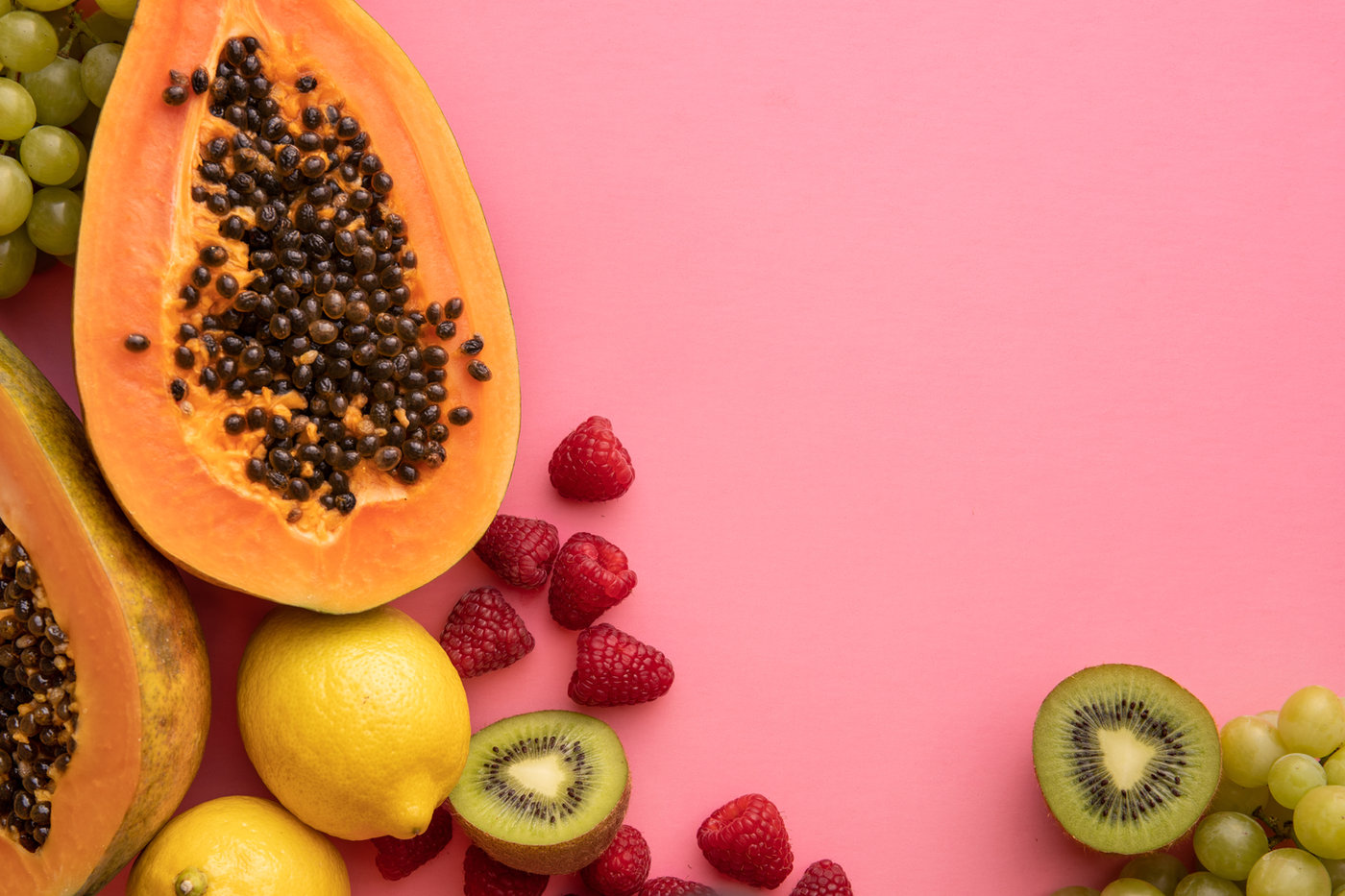
Fruits and vegetables provide a wide range of vitamins, minerals, antioxidants, and fiber.
Key benefits include:
- Folate from leafy greens
- Vitamin C for immune support and iron absorption
- Potassium for fluid balance
- Fiber for digestive health
A variety of colors helps ensure a broad range of nutrients. Fresh, frozen, and lightly cooked options all count.
During periods of nausea or food aversion, gentle options such as smoothies, soups, or roasted vegetables may be easier to tolerate.
Whole Grains for Energy and Digestion
Whole grains provide complex carbohydrates that support steady energy and digestion.
Examples include:
- Oats
- Brown rice
- Quinoa
- Whole grain bread or pasta
These foods supply fiber, B vitamins, and minerals that support metabolism and nervous system function.
Pairing whole grains with protein and healthy fats can help maintain stable blood sugar levels.
Healthy Fats for Hormones and Development
Fats play an important role in hormone production and fetal brain development.
Helpful sources include:
- Avocados
- Olive oil
- Nuts and seeds
- Nut butters
- Fatty fish that are low in mercury
Including healthy fats supports satiety, nutrient absorption, and overall balance.
Fat does not need to be avoided during pregnancy. Quality and variety matter more than quantity.
Calcium-Rich Foods for Bone Support
Calcium supports the development of the baby's bones and teeth while protecting the mother's bone health.
Sources may include:
- Dairy products
- Fortified plant-based milks
- Yogurt
- Cheese
- Leafy greens
- Tofu made with calcium sulfate
Adequate calcium intake is especially important as pregnancy progresses.
Iron-Supportive Foods for Circulation
Iron needs increase during pregnancy due to expanded blood volume.
Iron-rich foods include:
- Lentils and beans
- Spinach and other greens
- Fortified grains
- Lean meats, if included
Pairing iron-rich foods with vitamin C sources can improve absorption.
Supporting iron intake through food helps maintain energy and circulation.
Hydrating Foods and Fluids
Hydration supports circulation, digestion, amniotic fluid levels, and temperature regulation. Water, herbal teas approved by your provider, broths, and water-rich fruits and vegetables all contribute.
Managing Common Pregnancy Food Challenges
Pregnancy often brings nausea, aversions, or fluctuating appetite. These experiences are common and not a sign of failure.
Helpful strategies include:
- Eating small, frequent meals
- Choosing bland or neutral foods when needed
- Including protein early in the day
- Avoiding long periods without eating
Flexibility and self-compassion are key during these phases.
MILK's Perspective on Pregnancy Nutrition
At MILK, we approach pregnancy nutrition as part of a broader support system.
Rather than focusing on isolated nutrients, the emphasis is on:
- Education and understanding
- Sustainable daily habits
- Reducing stress around food
- Community learning and encouragement
When mothers feel supported and informed, nutrition becomes more intuitive and less overwhelming.
The most supportive approach is one that prioritizes nourishment, consistency, and flexibility.
Small choices made regularly matter more than occasional perfection.
By focusing on nourishing foods, listening to the body, and allowing for flexibility, pregnancy nutrition can support both physical health and peace of mind.
Care, in person
Reading is a lovely start. Having someone in your corner is better.